Books
Written at length
Ten books on Jyotish, the Gita, ritual, mantra and Indian thought — for readers who want the full argument rather than a summary.
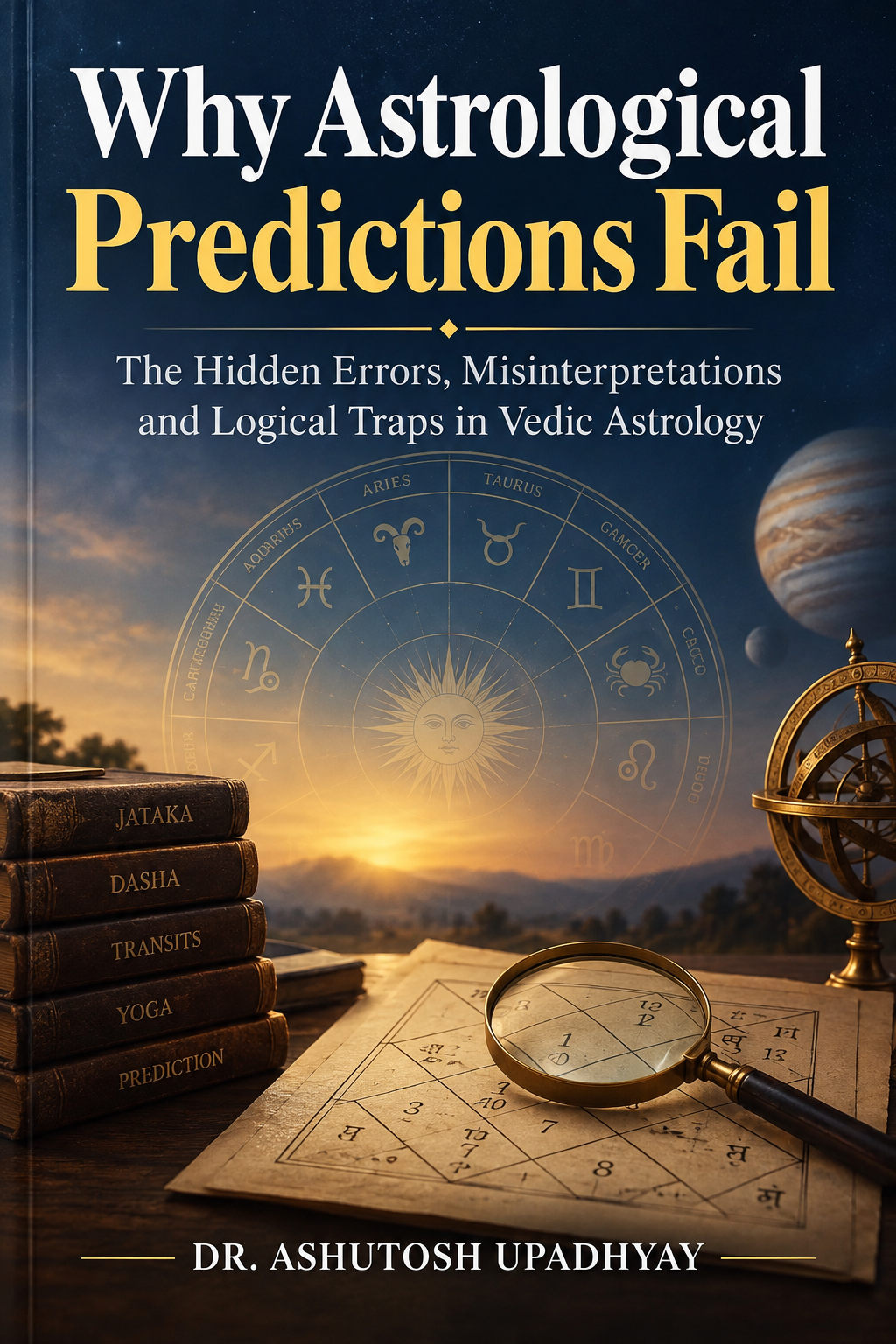
Why Astrological Predictions Fail: The Hidden Errors, Misinterpretations and Logical Traps in Vedic Astrology
A book about where Jyotish goes wrong — the errors of method, the misreadings and the logical traps that make predictions miss. Written for practitioners and serious students rather than sceptics: the argument is that the failures are mostly ours, not the system’s.
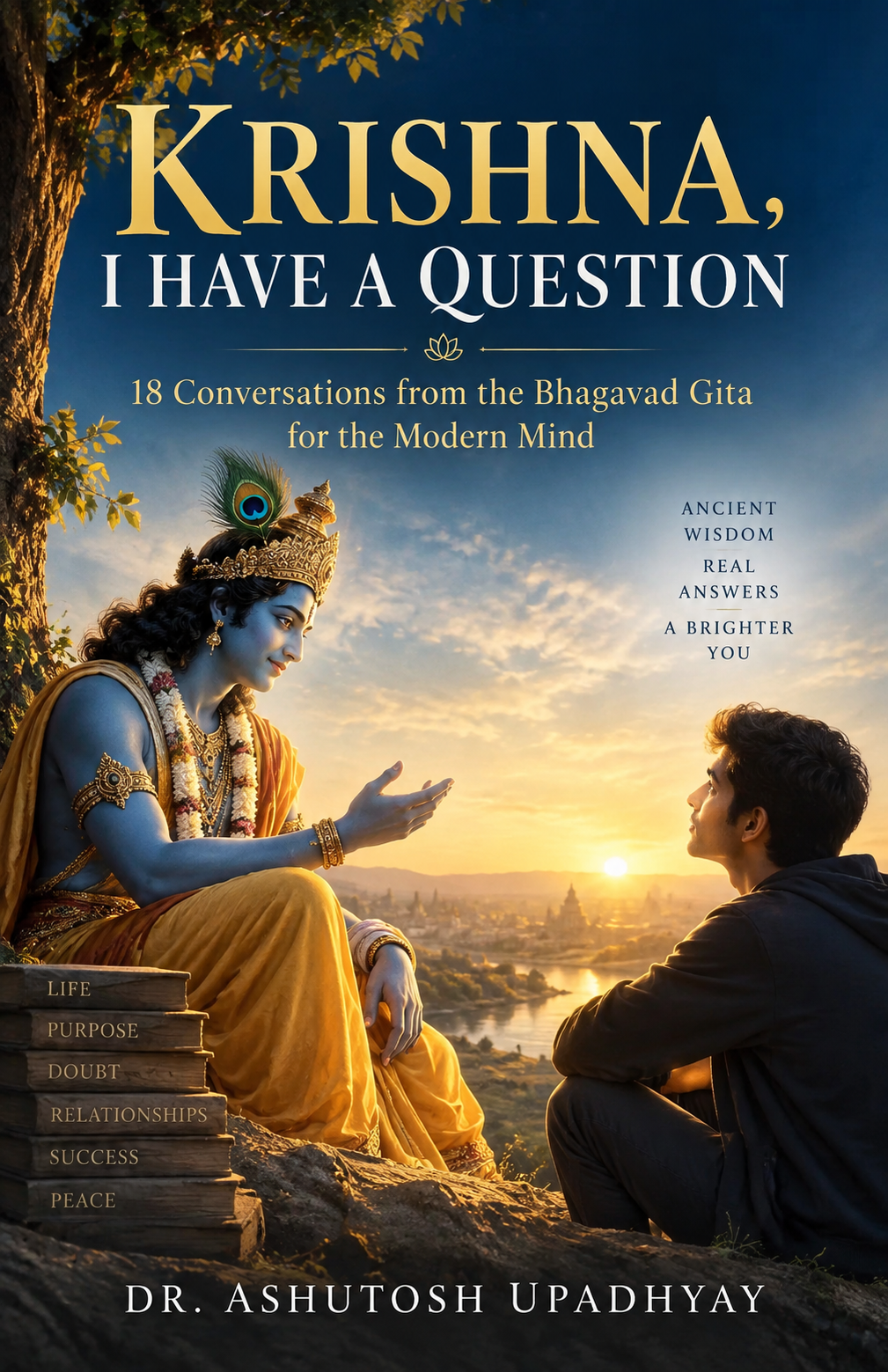
Krishna, I Have a Question: 18 Conversations from the Bhagavad Gita for the Modern Mind
Eighteen chapters mapping the Gita’s eighteen adhyāyas. Not a verse-by-verse translation — each chapter takes the governing idea of one adhyāya and works it into modern life, then sets out plainly what that idea does not mean.
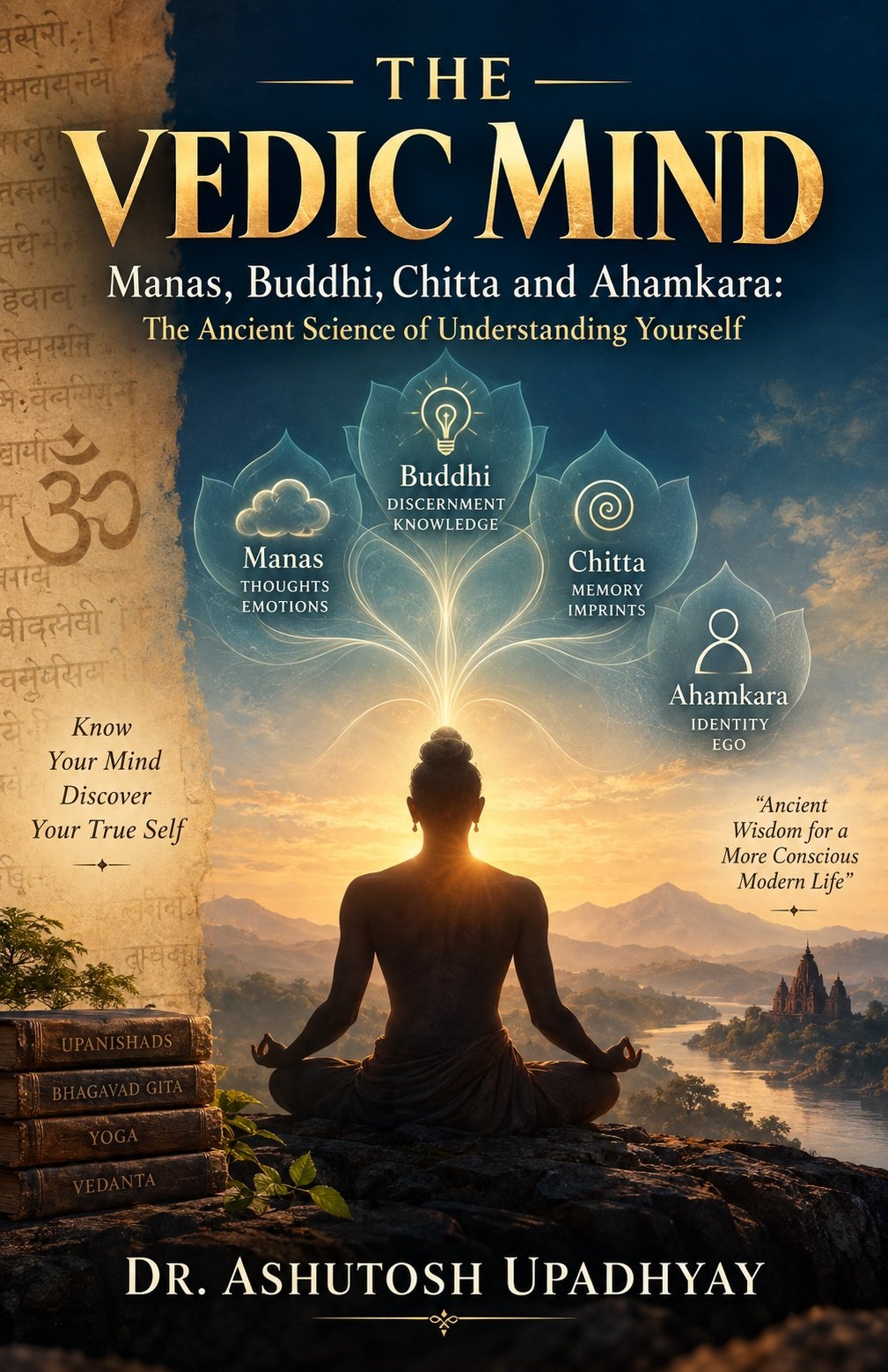
The Vedic Mind: Manas, Buddhi, Chitta and Ahamkara — The Ancient Science of Understanding Yourself
The four faculties of mind as Vedic psychology describes them, worked out across twenty-four chapters. It treats the model as a serious account of how attention, memory, discernment and identity actually operate, rather than as metaphor.
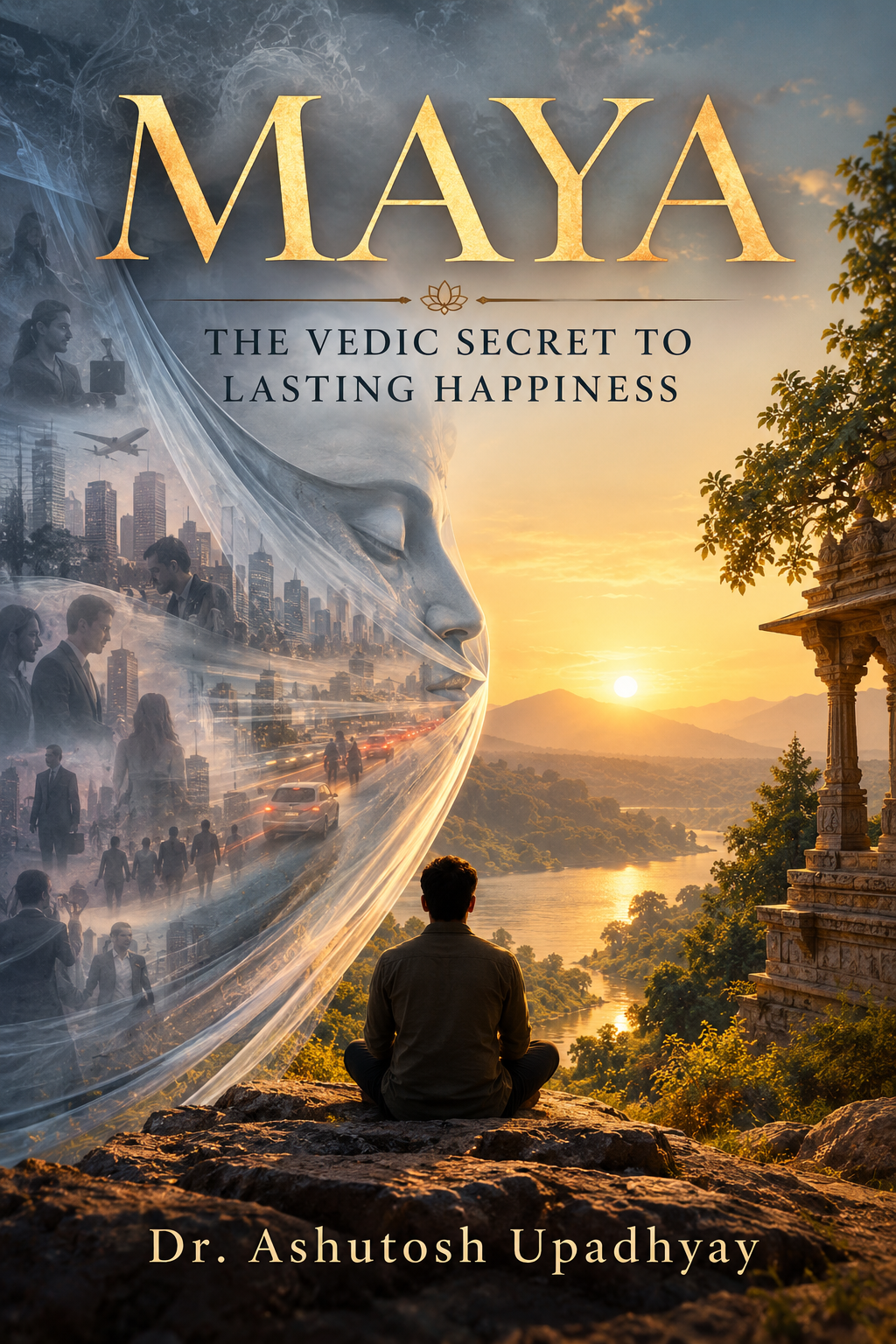
MAYA: The Vedic Secret to Lasting Happiness
On maya — the veil that makes the impermanent look solid — and what the Vedic tradition says about seeing through it. An argument that lasting happiness depends less on changing circumstances than on correcting what we take to be real.
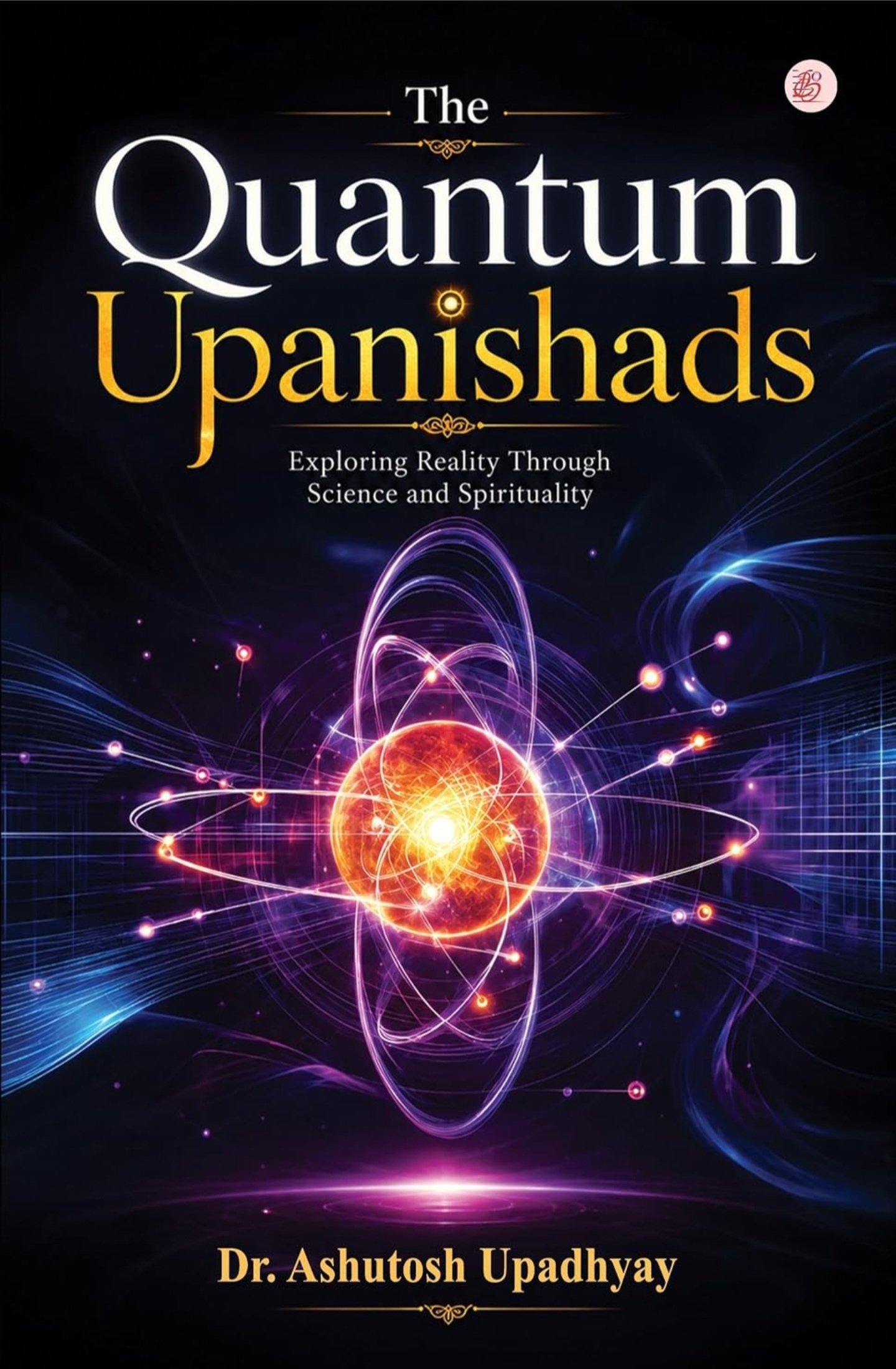
The Quantum Upanishads
The Upanishads read alongside the questions modern physics raises about observation, reality and consciousness — where the two traditions genuinely meet, and where the comparison is pushed further than it can bear.
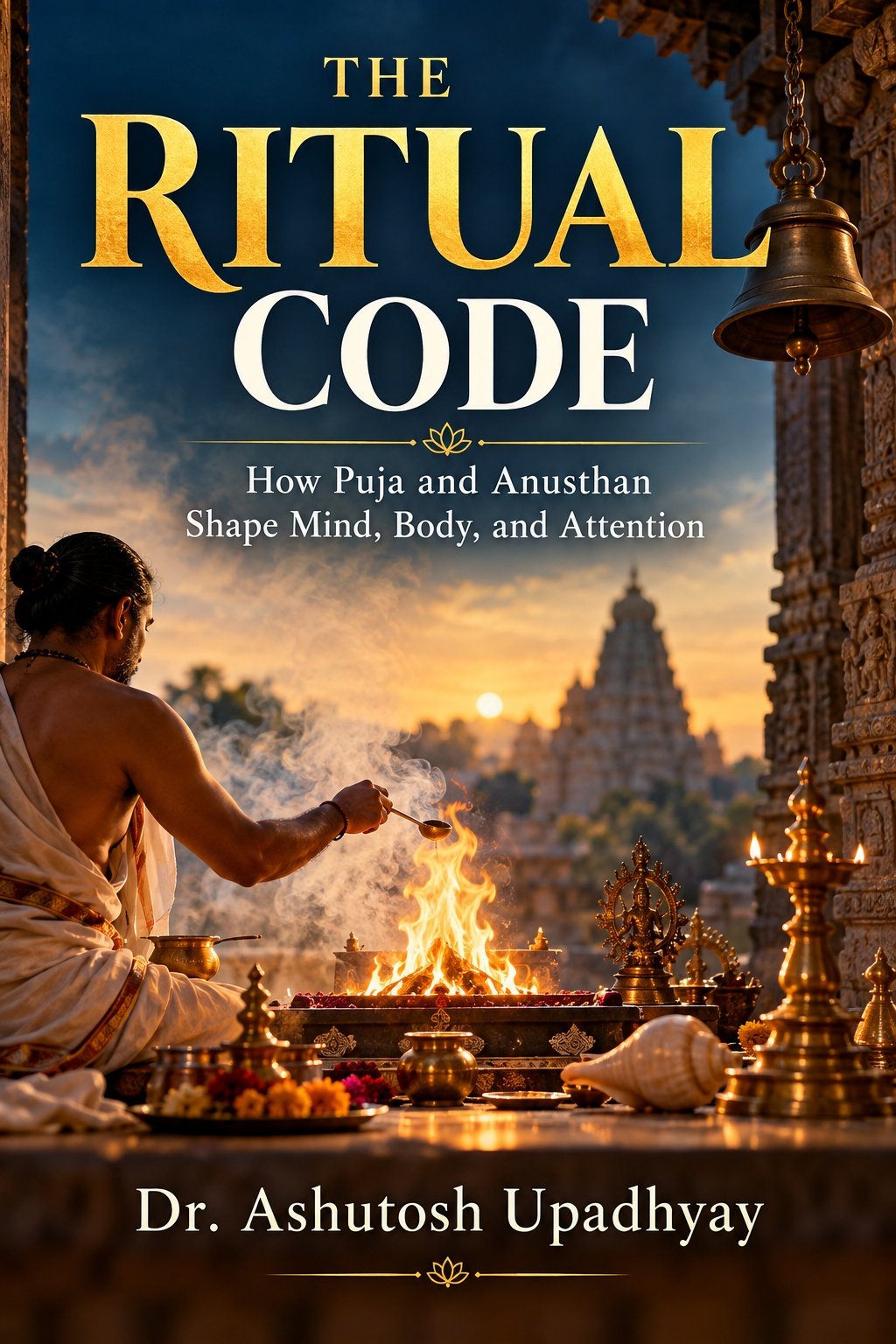
The Ritual Code: How Puja and Anusthan Shape Mind, Body, and Attention
What Hindu ritual is actually doing. Puja and anusthan examined as structured practice — what they ask of the body, how they direct attention, and the logic underneath observances that are often performed without explanation.
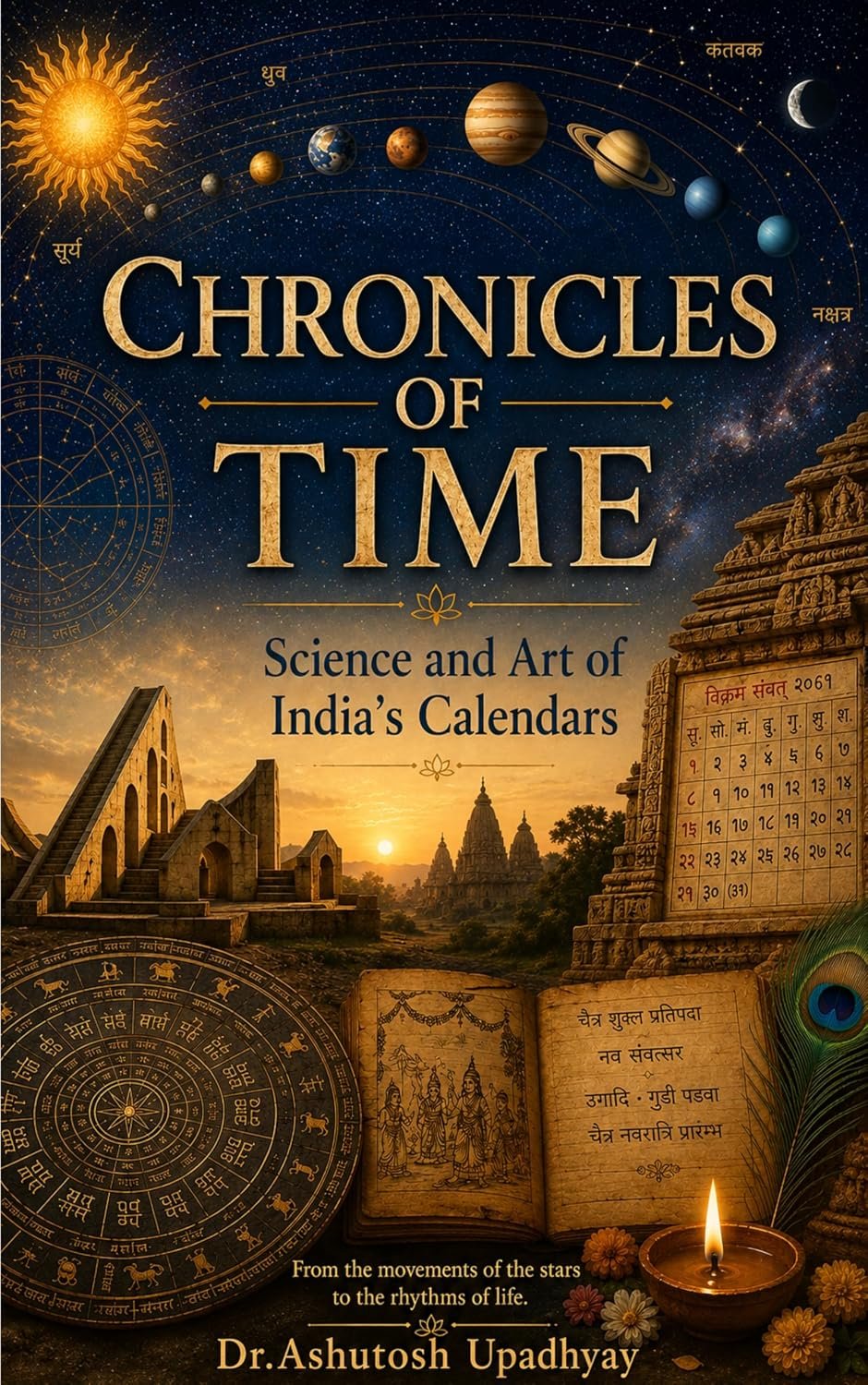
Chronicles of Time: The Science and Art of India’s Calendars
Indian calendrical science and the measurement of time — the lunar calendar, the yuga cycles, and the astronomical reasoning that produces a Panchang. Both the mathematics and the tradition it serves.
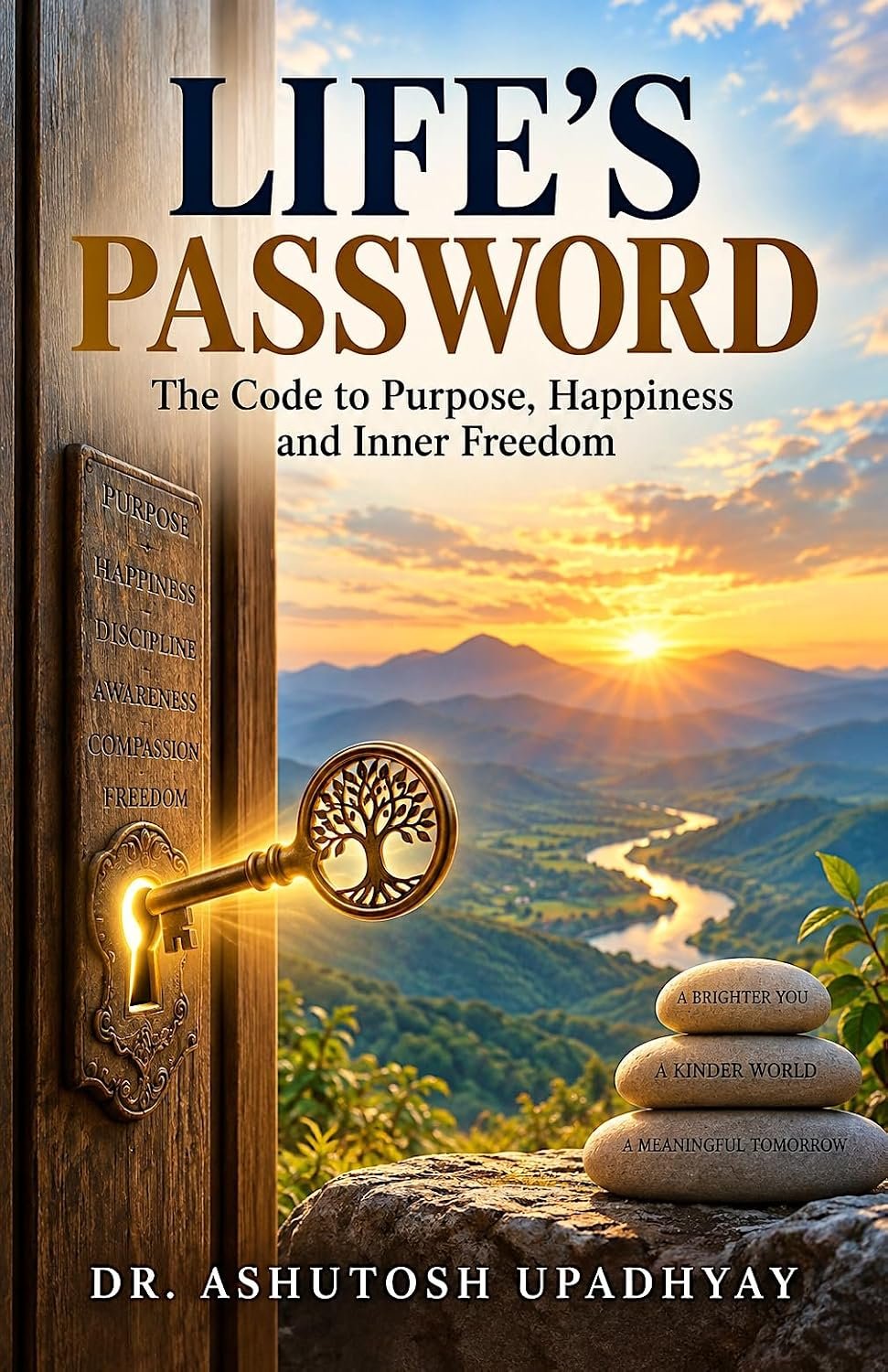
LIFE’S PASSWORD: The Code to Purpose, Happiness and Inner Freedom
A seven-step framework drawn from Indian philosophy and applied to the ordinary problems of a working life. Also published in Hindi as जीवन का पासवर्ड, as a trans-creation rather than a literal translation.
Mind & Mantra: Vedic Concept
An introduction to mantra as the Vedic tradition understands it — what it is held to do, and the concepts of mind that make sense of the practice.
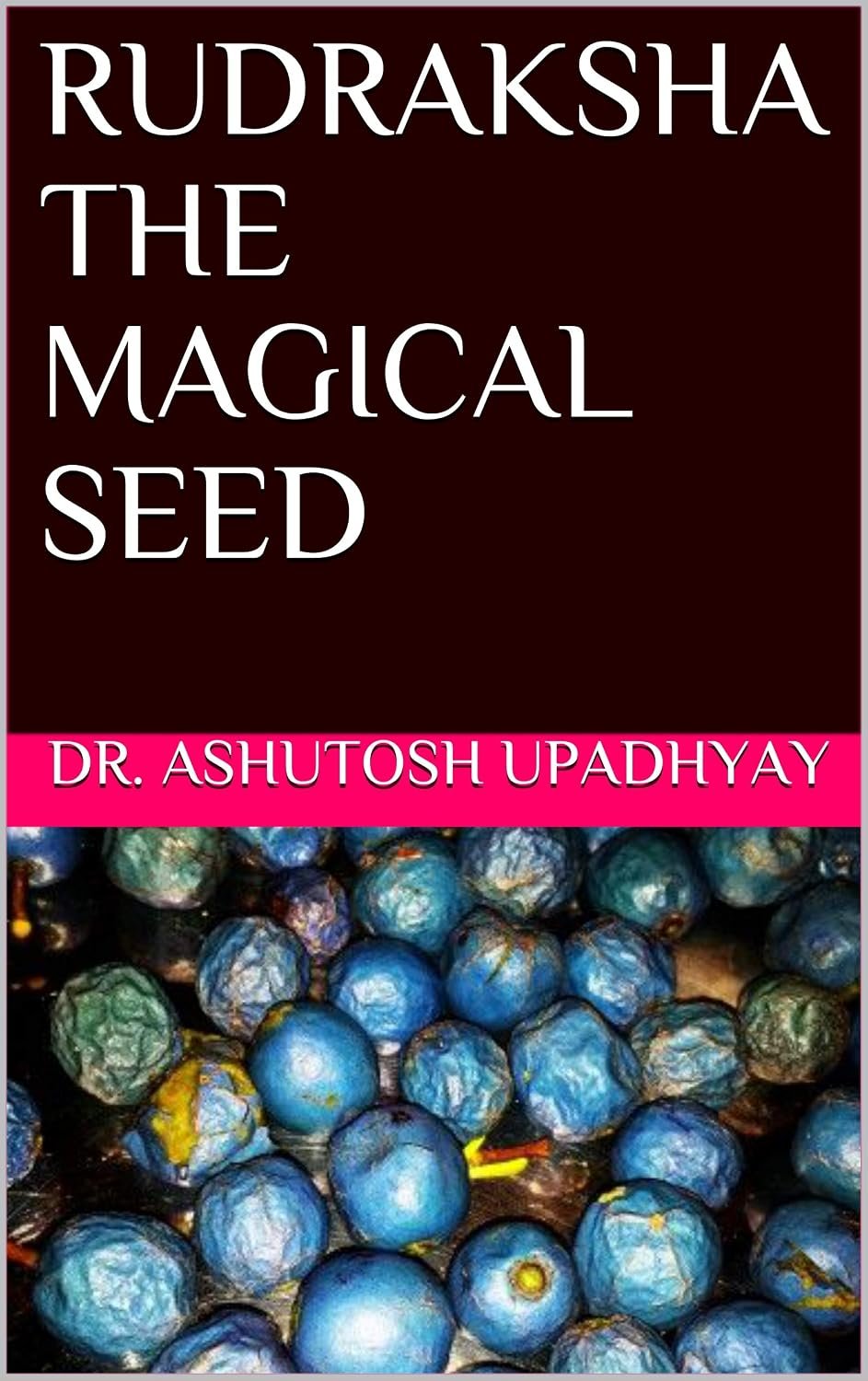
RUDRAKSHA: The Magical Seed
A 136-page illustrated study of the rudraksha — its botany, its place in Shaiva tradition, the classification by mukhi, and the claims made for it, examined rather than simply repeated.
Forthcoming
Finished or near-finished manuscripts not yet published. No dates promised.
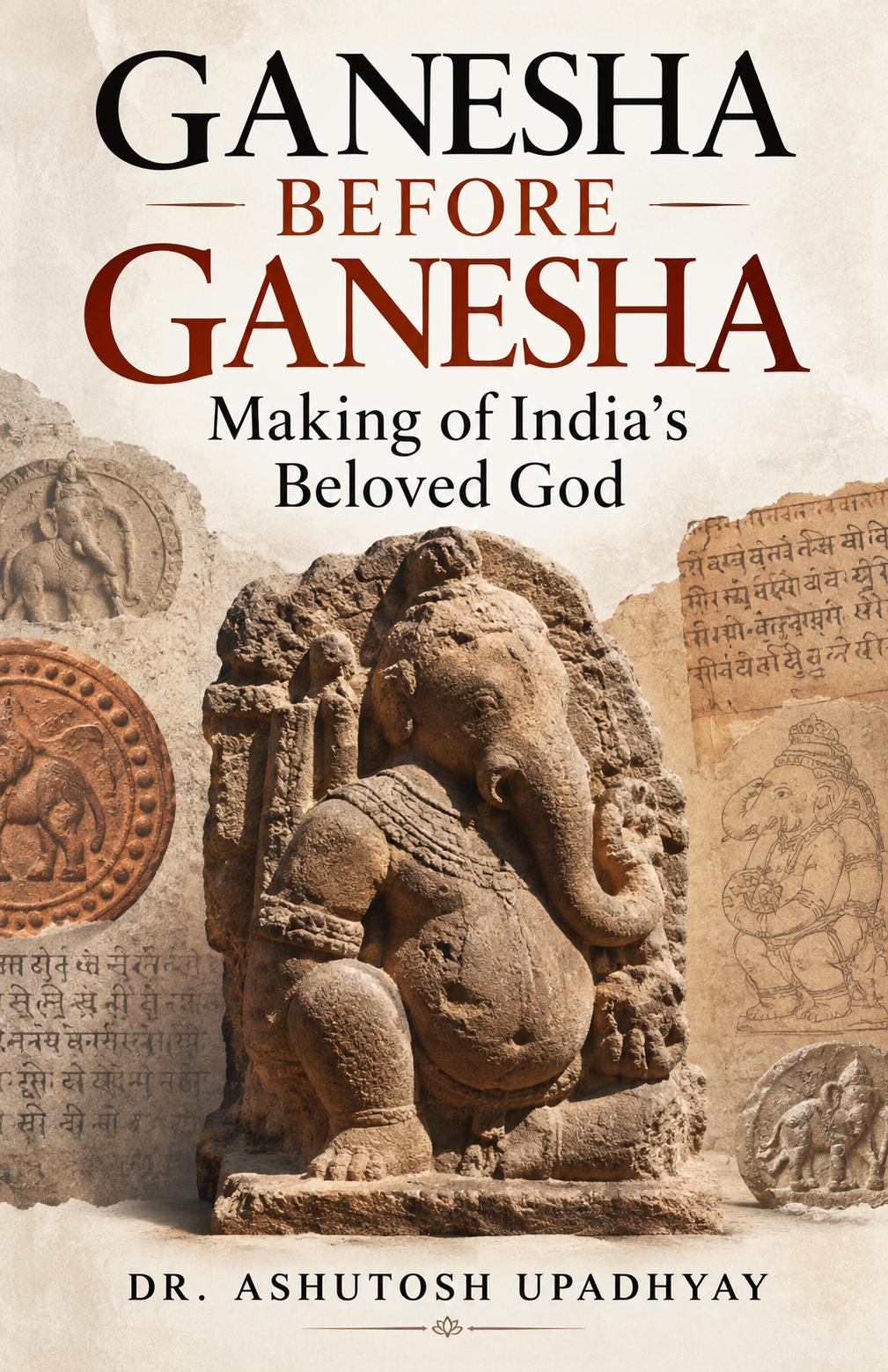
Ganesha Before Ganesha: From Vedic Gaṇapati to Ganapati Bappa — The 2,000-Year Making of India’s Beloved God
A history of how the deity was actually made, rather than a devotional book: twenty-nine chapters across eight parts, tracing the figure from the Vedic Gaṇapati to the Ganapati Bappa of the modern festival. Built on a levels-of-evidence approach, with the strength of each source stated rather than assumed.
For enquiries about rights, translations or bulk orders, use the contact page.